Original: $8.00
-65%$8.00
$2.80The Story
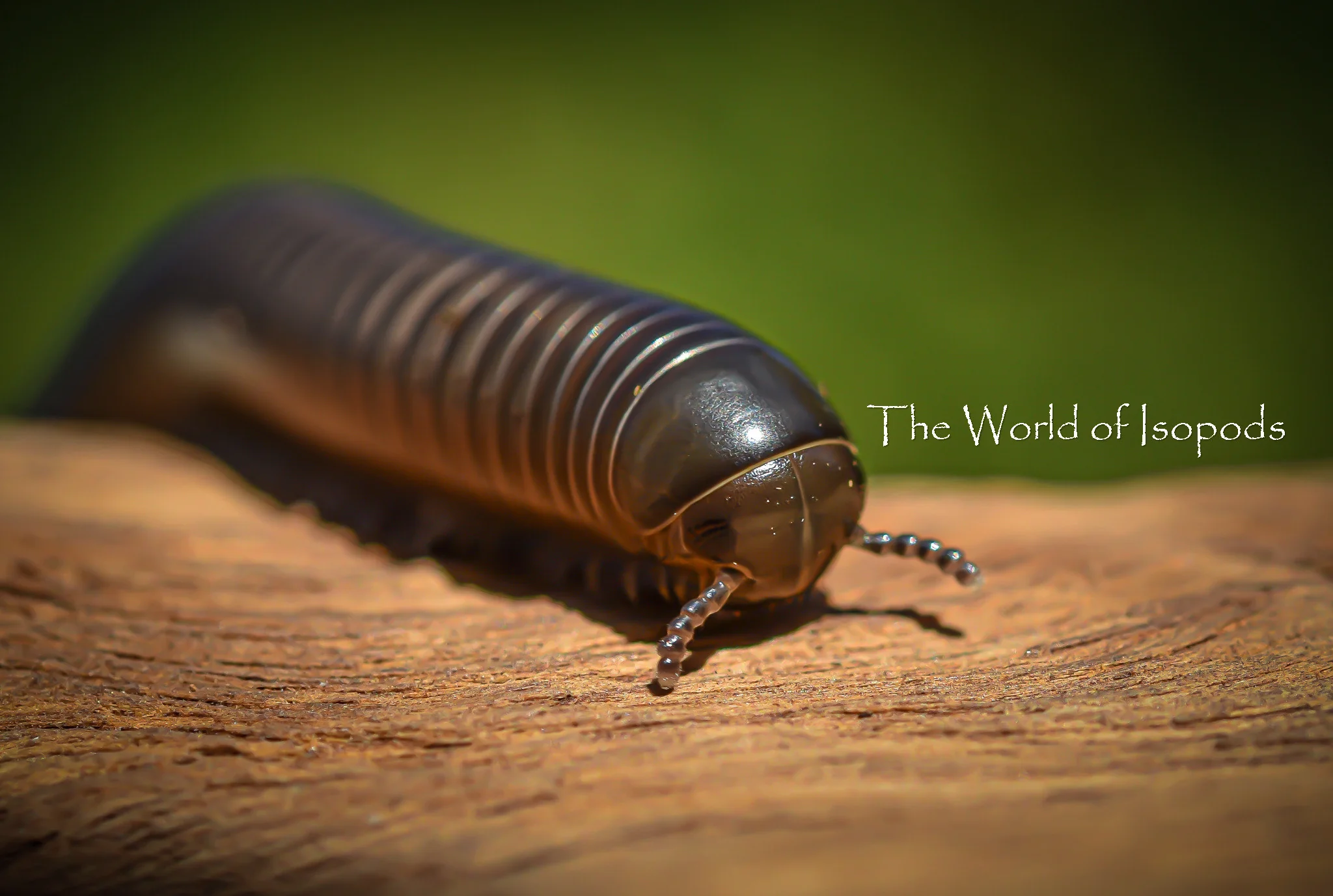
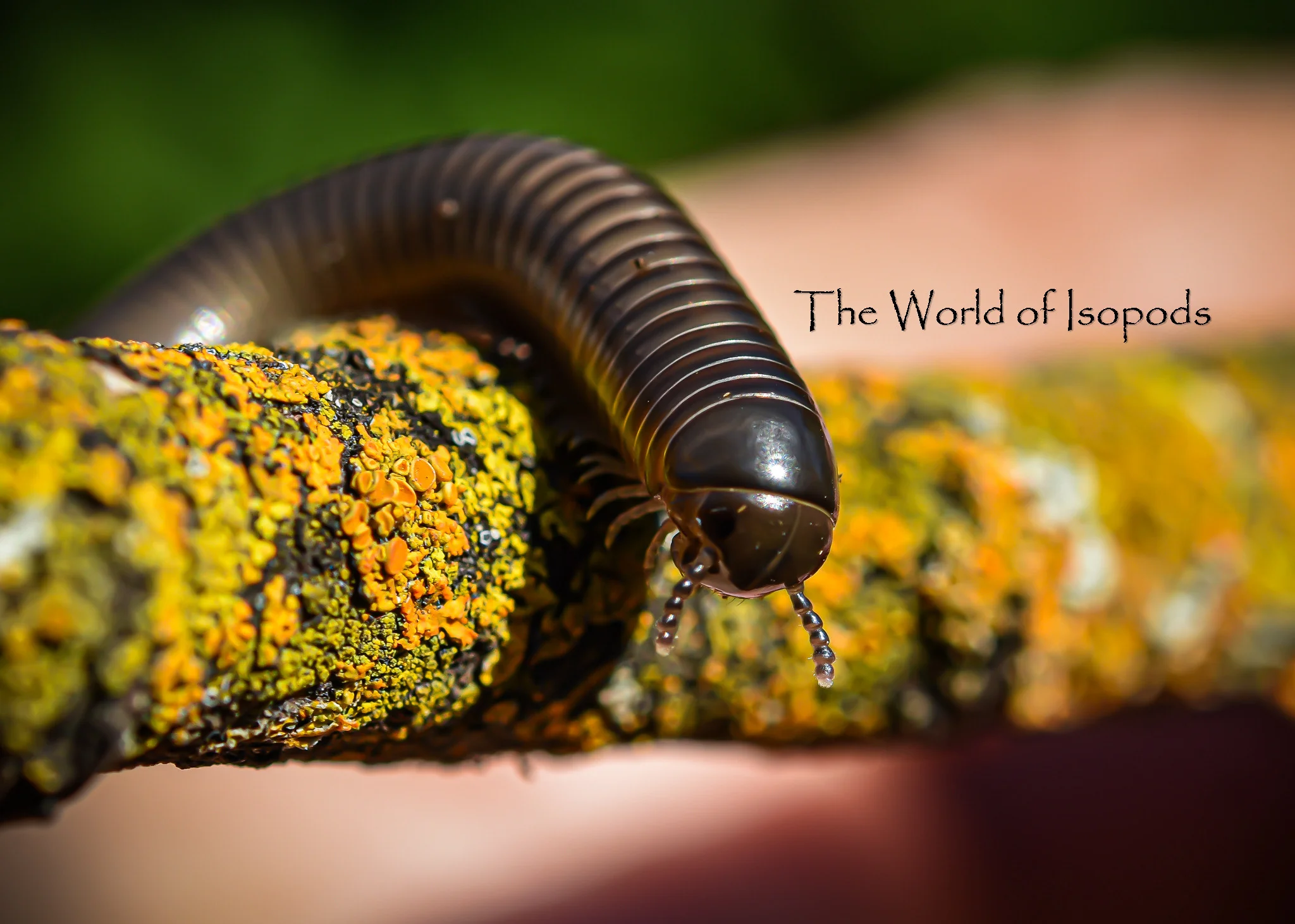
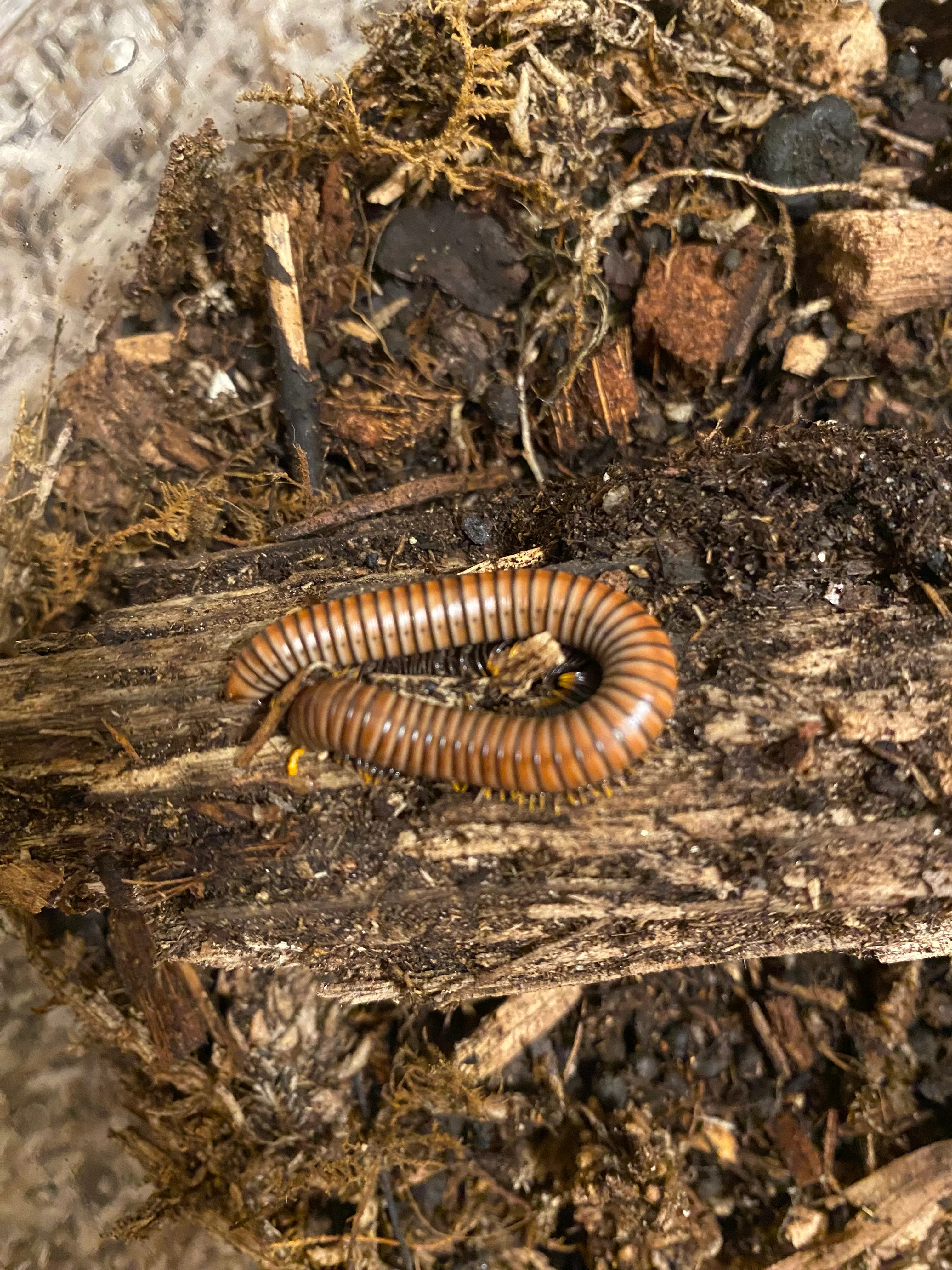
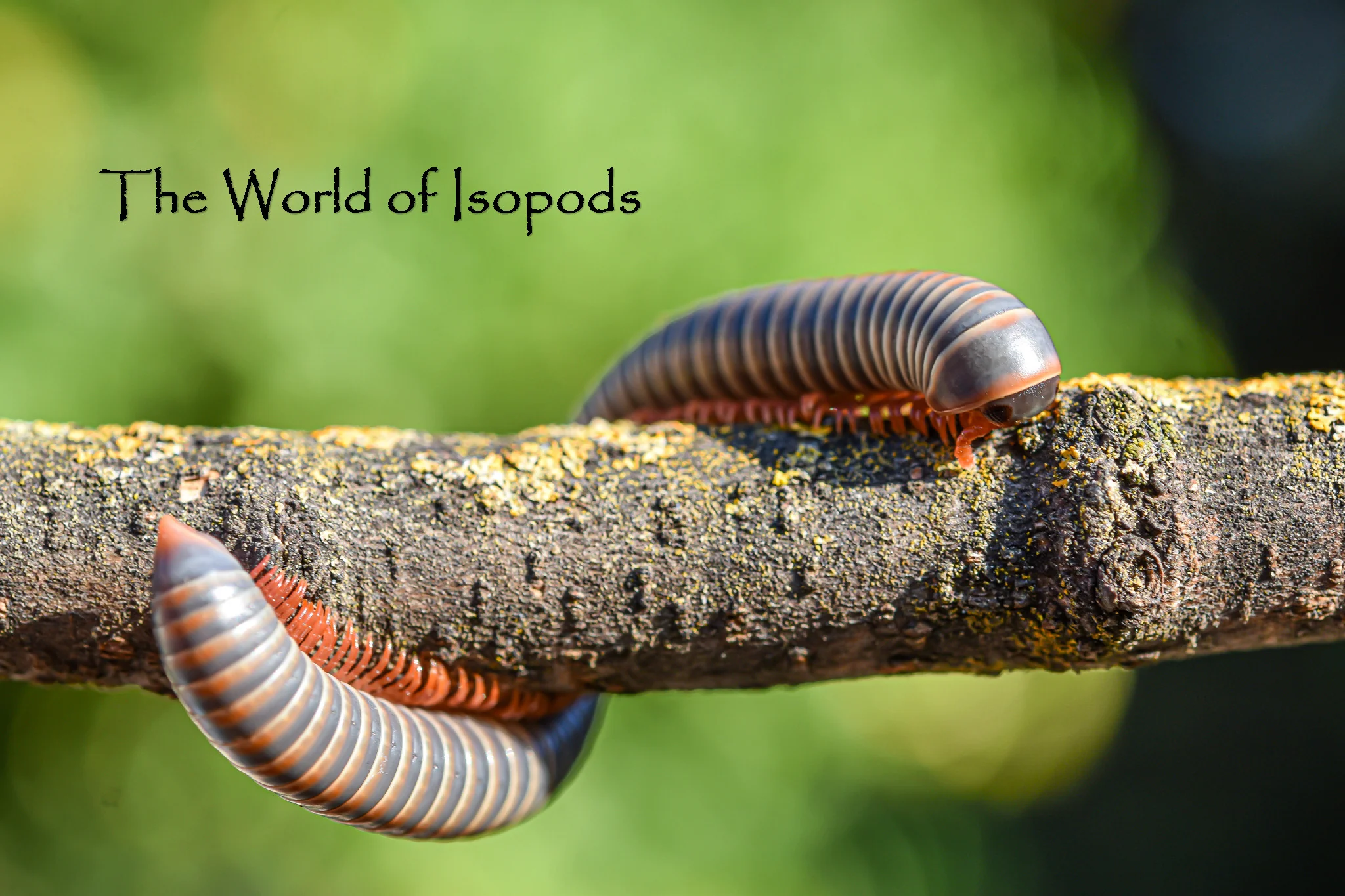
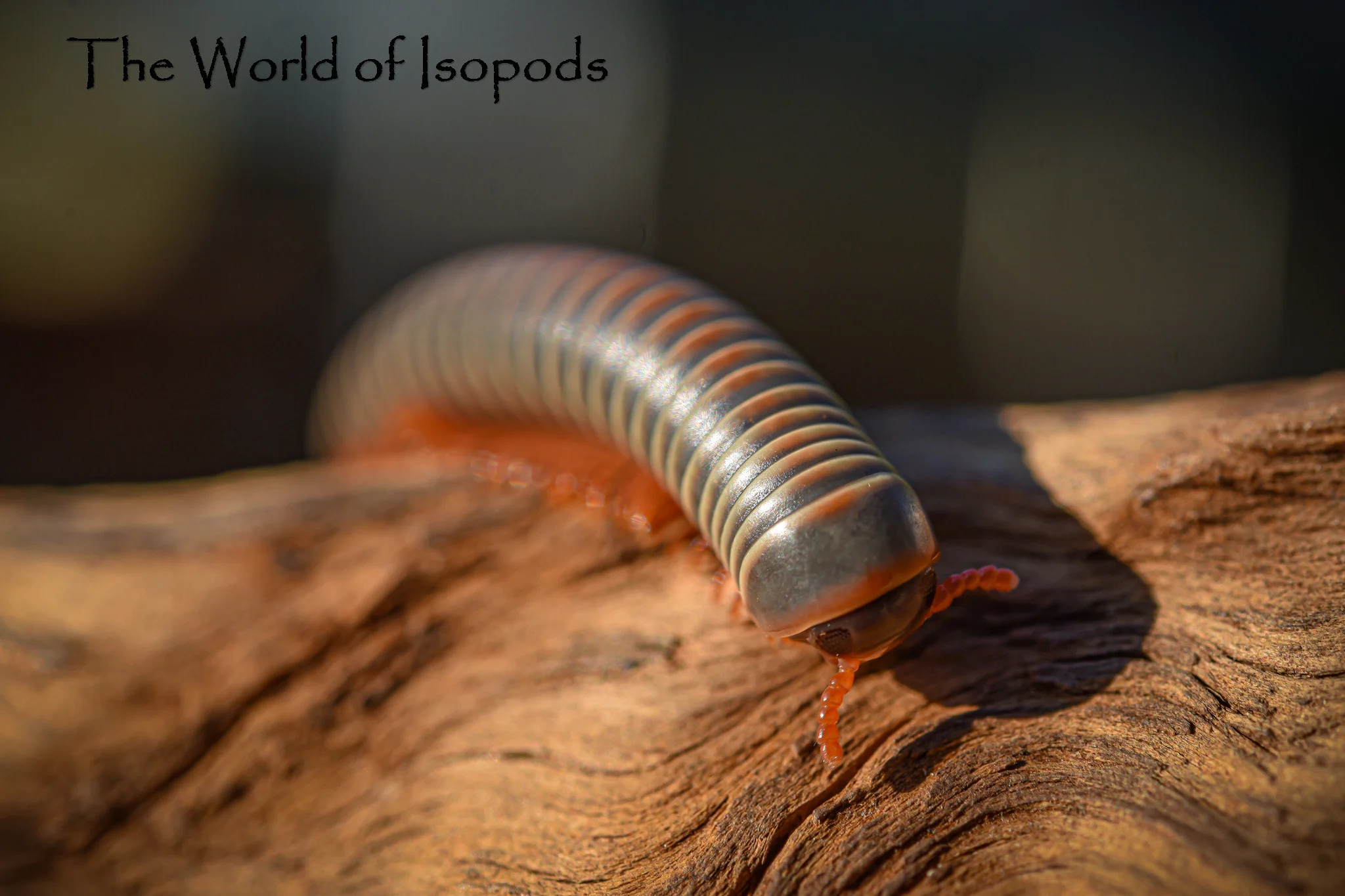
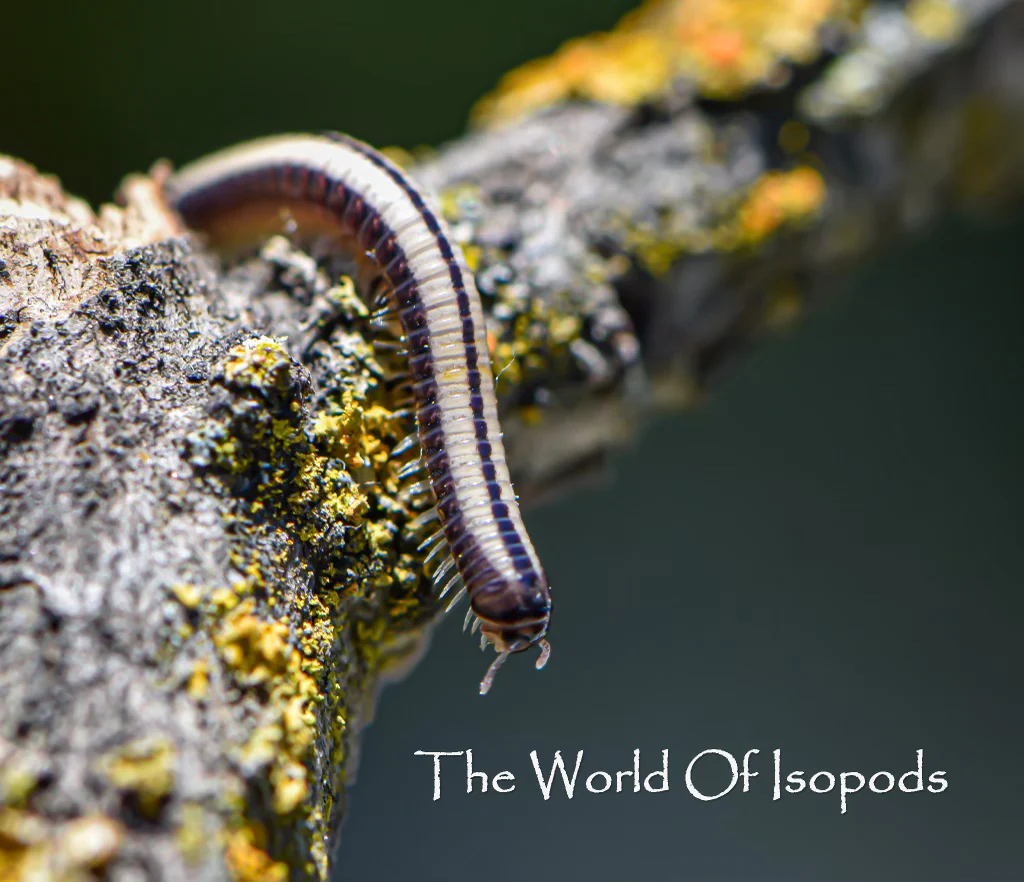
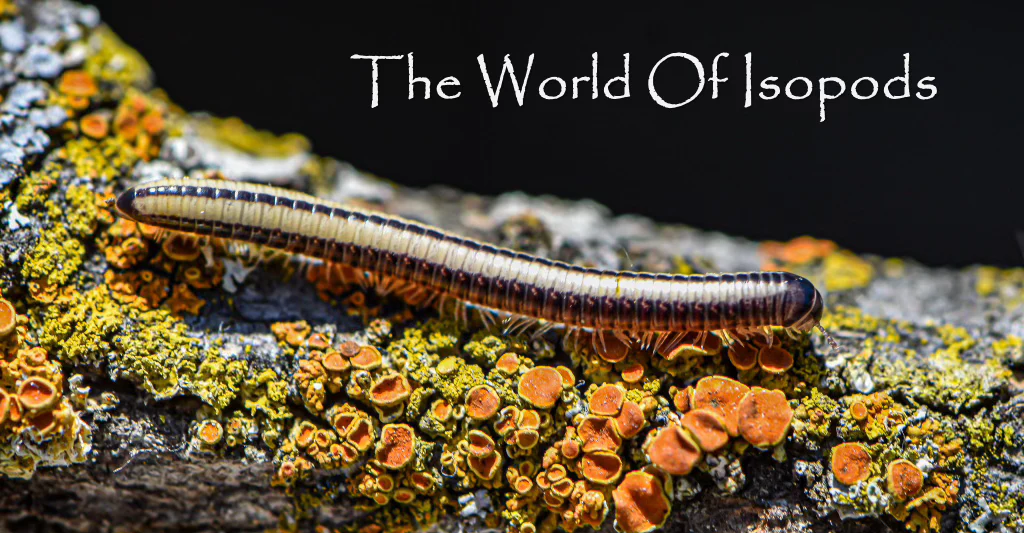
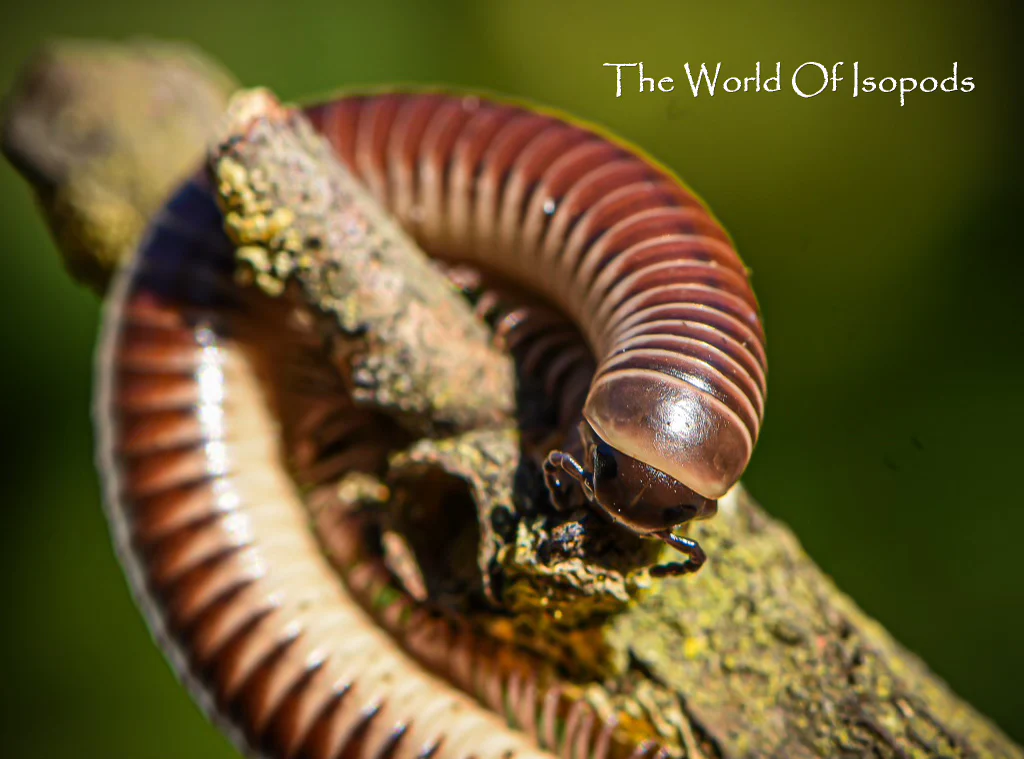
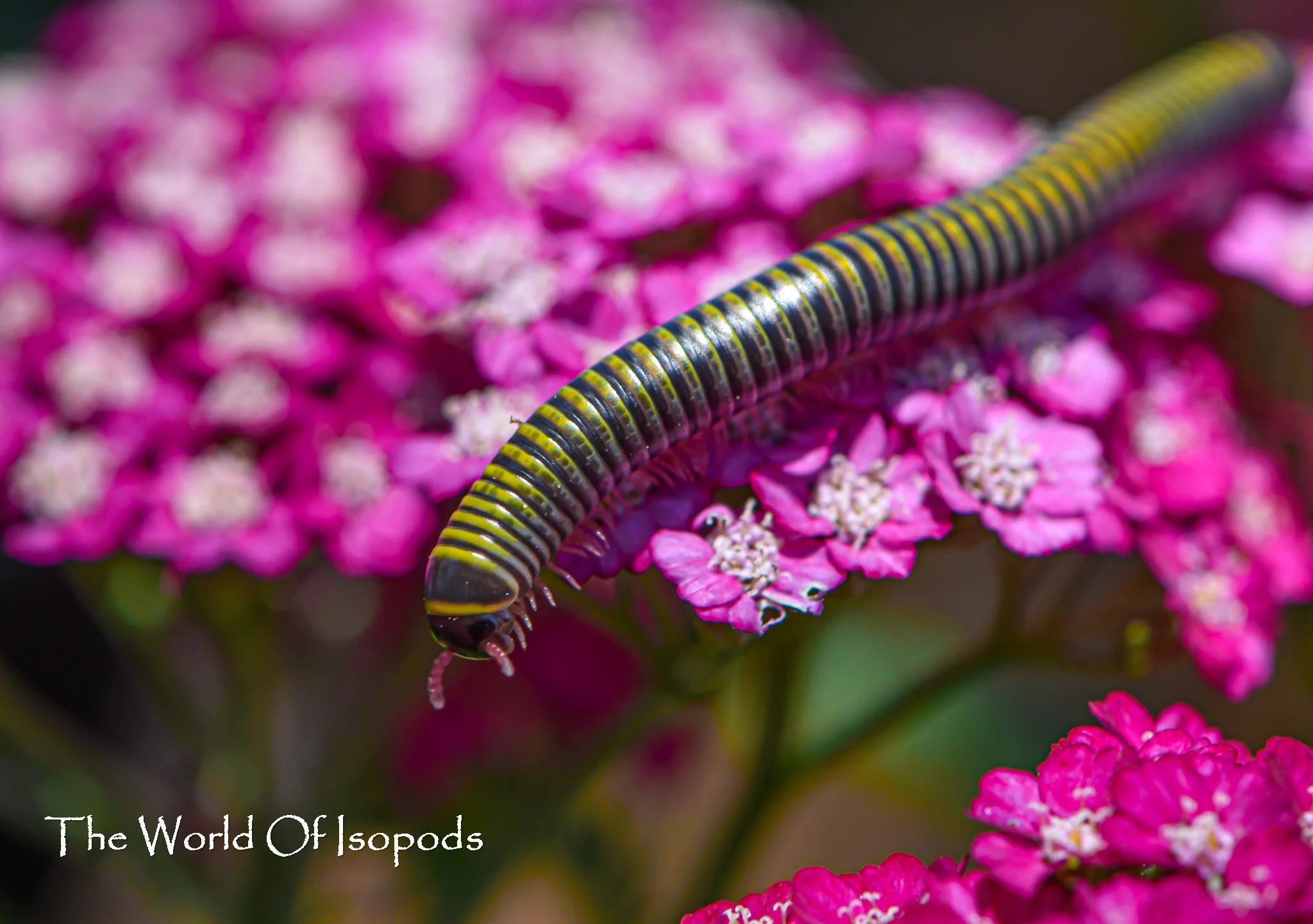
Bumble bee millipedes do best in a warm, humid enclosure that copies a forest floor. Use a secure plastic tub or glass tank with good ventilation and at least 3–4 inches of nutrient‑rich substrate made from coconut fiber, organic topsoil (chemical‑free), rotted hardwood, and plenty of leaf litter. Keep the substrate damp to the touch but never soggy, and provide lots of hiding places with cork bark, curved wood, and deep leaf piles so they can burrow and feel secure. Aim for temperatures in the low‑ to mid‑70s °F and humidity around 70–90%, avoiding direct sunlight and sudden temperature swings.
Bumble bee millipedes are detritivores, meaning they feed mostly on decomposing leaves, rotting wood, and the organic matter in their substrate. To keep them healthy and growing, offer thin slices of vegetables like cucumber, squash, carrot, or sweet potato a few times per week, plus the occasional small piece of fruit. Always provide a calcium source such as cuttlebone, crushed sterilized eggshell, or reptile‑safe calcium powder to support strong exoskeletons and successful molts. Remove uneaten fresh food before it molds, spot‑clean waste and moldy patches, and handle them gently and infrequently—let them crawl onto your hand rather than being grabbed, and wash your hands before and after handling.
Bumble Bee Millipede Quick Care Points
-
Enclosure: Secure, escape‑proof tub or tank with good ventilation
-
Substrate depth: At least 3–4" of moist organic mix (coco fiber, organic soil, rotted wood, leaf litter)
-
Humidity: High (around 70–90%); substrate damp but not waterlogged
-
Temperature: Low‑ to mid‑70s °F; avoid drafts and direct sun
-
Hides & decor: Cork bark, curved wood, and thick leaf piles for hiding and burrowing
-
Staple diet: Decomposing leaves, rotting wood, and bioactive substrate
-
Fresh foods: Thin slices of cucumber, squash, carrot, sweet potato; occasional fruit treats
-
Calcium source: Cuttlebone, crushed sterilized eggshell, or reptile‑safe calcium powder always available
-
Cleaning: Spot‑clean old food and mold; replace sections of substrate periodically, not all at once
-
Handling: Minimal and gentle; let them crawl onto your hand and wash hands before and after contact
Details & Craftsmanship
Every detail has been carefully considered to bring you the perfect product.
Description
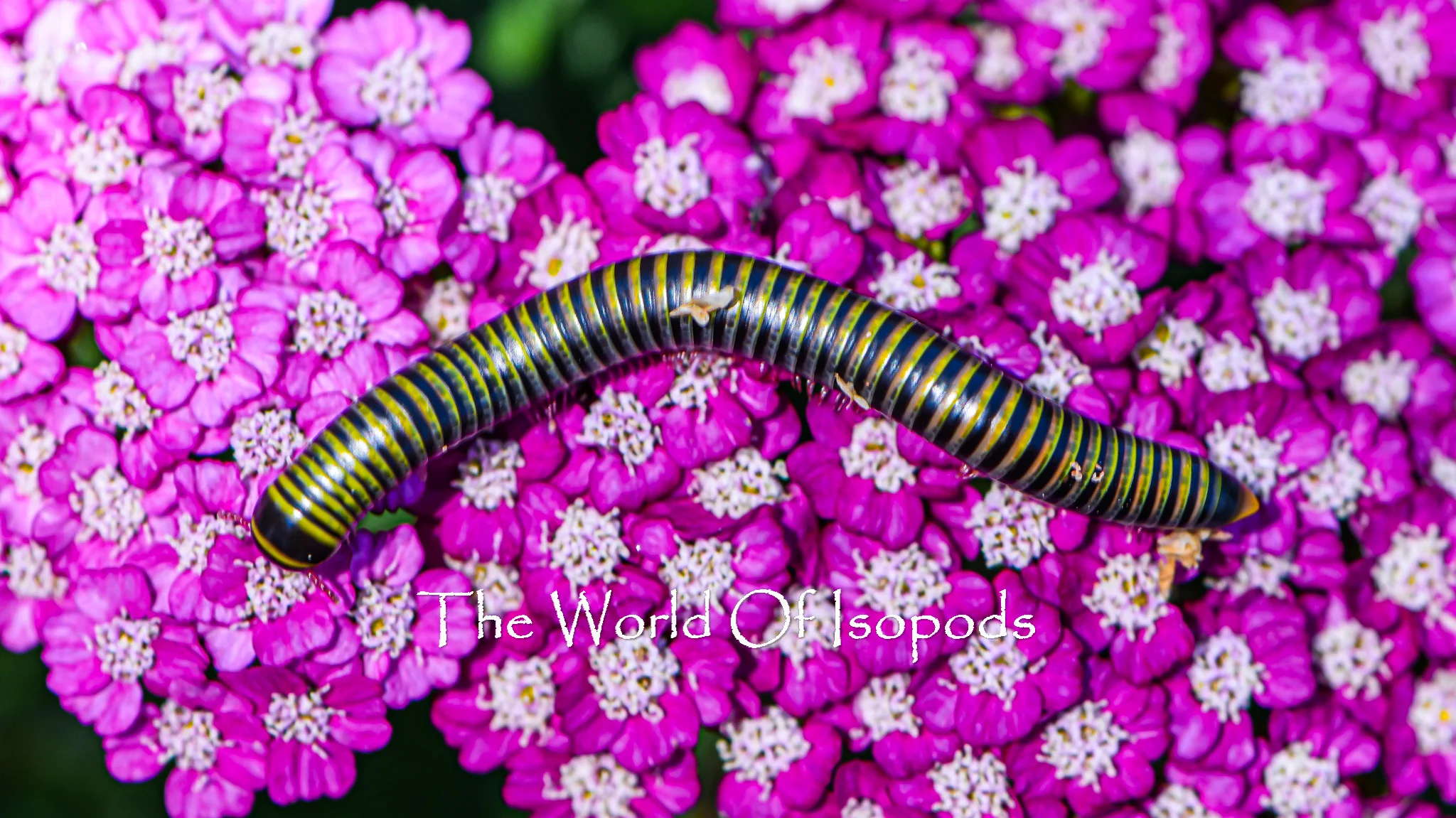
Bumble bee millipedes do best in a warm, humid enclosure that copies a forest floor. Use a secure plastic tub or glass tank with good ventilation and at least 3–4 inches of nutrient‑rich substrate made from coconut fiber, organic topsoil (chemical‑free), rotted hardwood, and plenty of leaf litter. Keep the substrate damp to the touch but never soggy, and provide lots of hiding places with cork bark, curved wood, and deep leaf piles so they can burrow and feel secure. Aim for temperatures in the low‑ to mid‑70s °F and humidity around 70–90%, avoiding direct sunlight and sudden temperature swings.
Bumble bee millipedes are detritivores, meaning they feed mostly on decomposing leaves, rotting wood, and the organic matter in their substrate. To keep them healthy and growing, offer thin slices of vegetables like cucumber, squash, carrot, or sweet potato a few times per week, plus the occasional small piece of fruit. Always provide a calcium source such as cuttlebone, crushed sterilized eggshell, or reptile‑safe calcium powder to support strong exoskeletons and successful molts. Remove uneaten fresh food before it molds, spot‑clean waste and moldy patches, and handle them gently and infrequently—let them crawl onto your hand rather than being grabbed, and wash your hands before and after handling.
Bumble Bee Millipede Quick Care Points
-
Enclosure: Secure, escape‑proof tub or tank with good ventilation
-
Substrate depth: At least 3–4" of moist organic mix (coco fiber, organic soil, rotted wood, leaf litter)
-
Humidity: High (around 70–90%); substrate damp but not waterlogged
-
Temperature: Low‑ to mid‑70s °F; avoid drafts and direct sun
-
Hides & decor: Cork bark, curved wood, and thick leaf piles for hiding and burrowing
-
Staple diet: Decomposing leaves, rotting wood, and bioactive substrate
-
Fresh foods: Thin slices of cucumber, squash, carrot, sweet potato; occasional fruit treats
-
Calcium source: Cuttlebone, crushed sterilized eggshell, or reptile‑safe calcium powder always available
-
Cleaning: Spot‑clean old food and mold; replace sections of substrate periodically, not all at once
-
Handling: Minimal and gentle; let them crawl onto your hand and wash hands before and after contact