The Story
Armadillidium granulatum
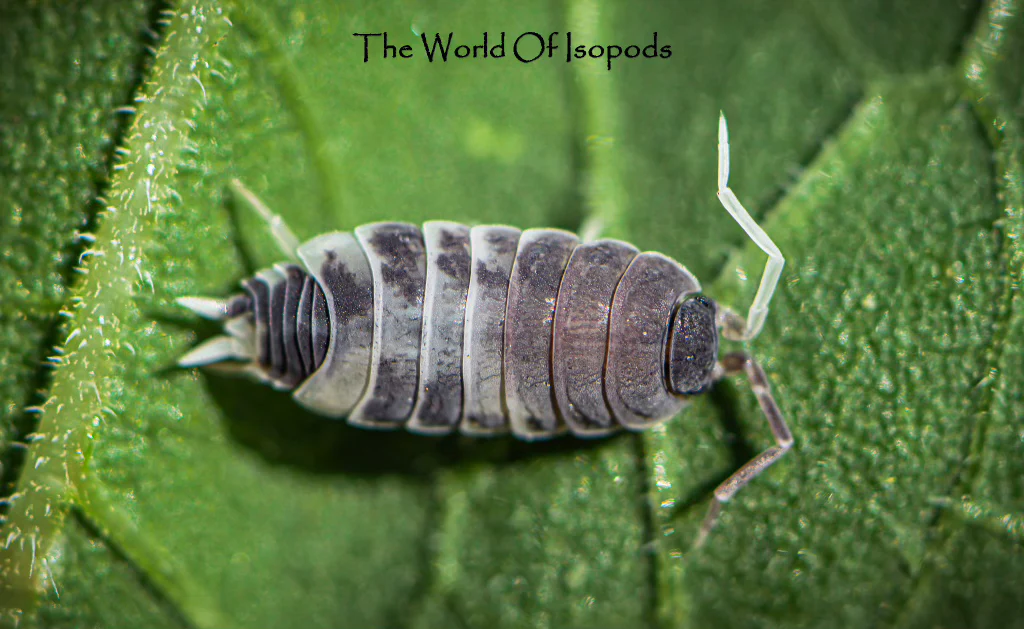
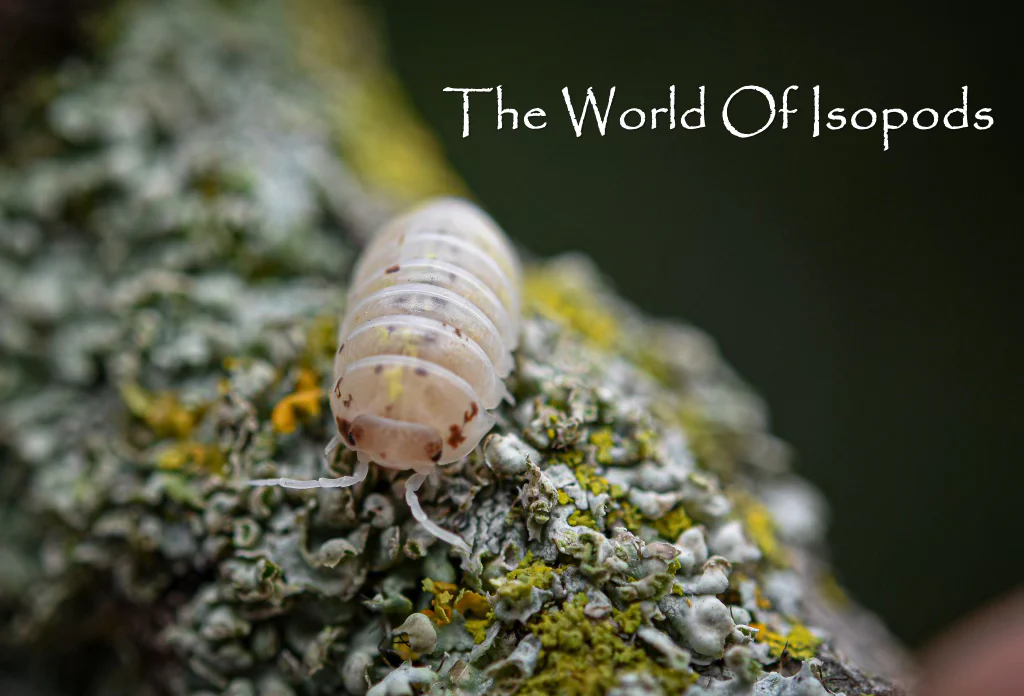
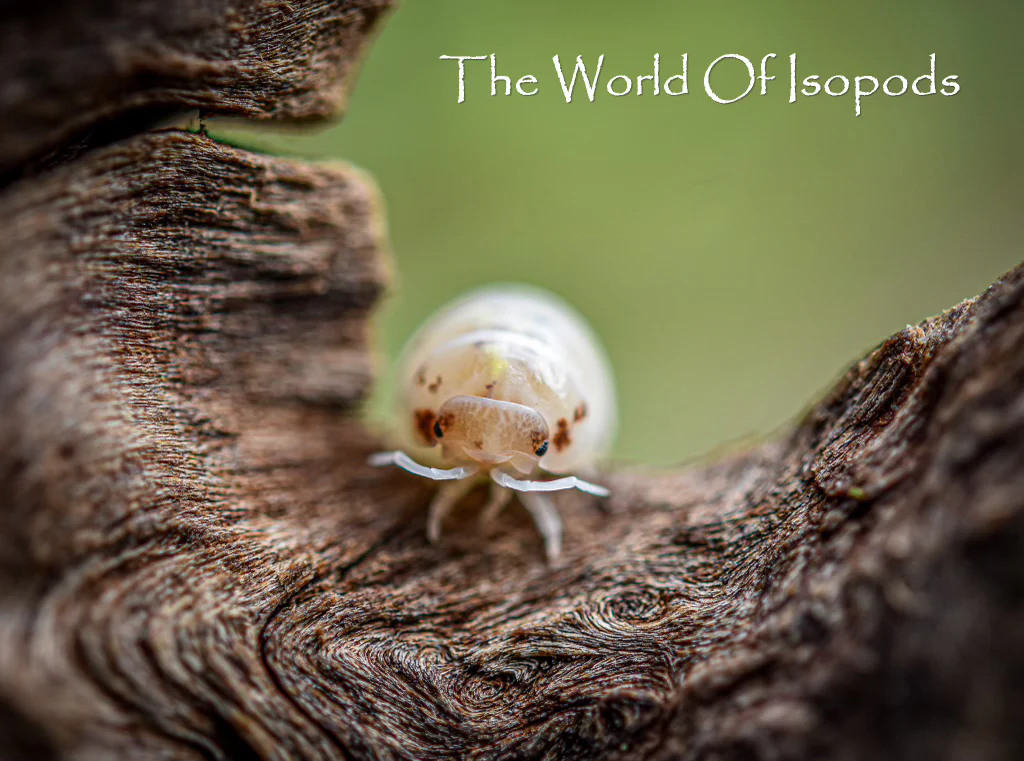
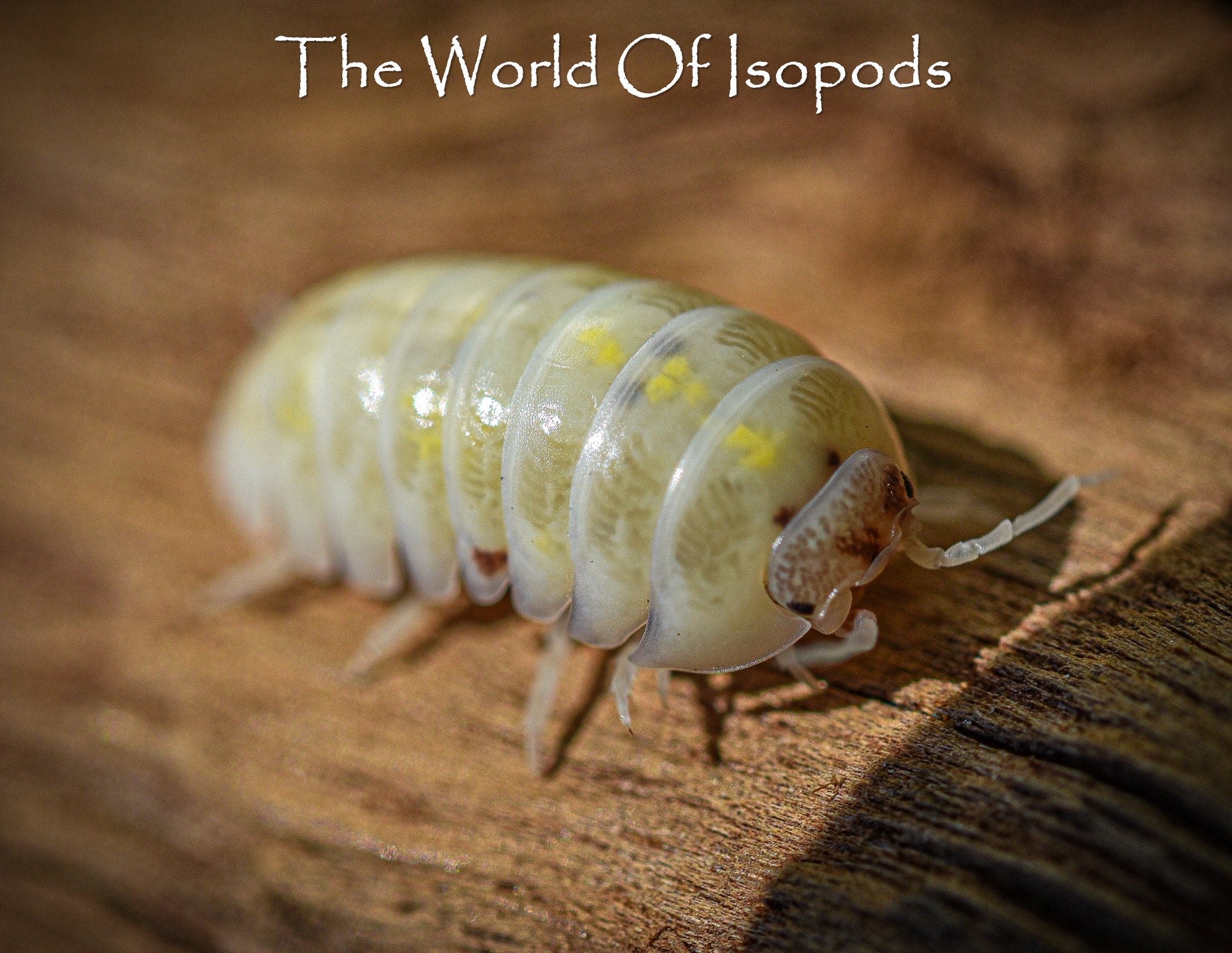
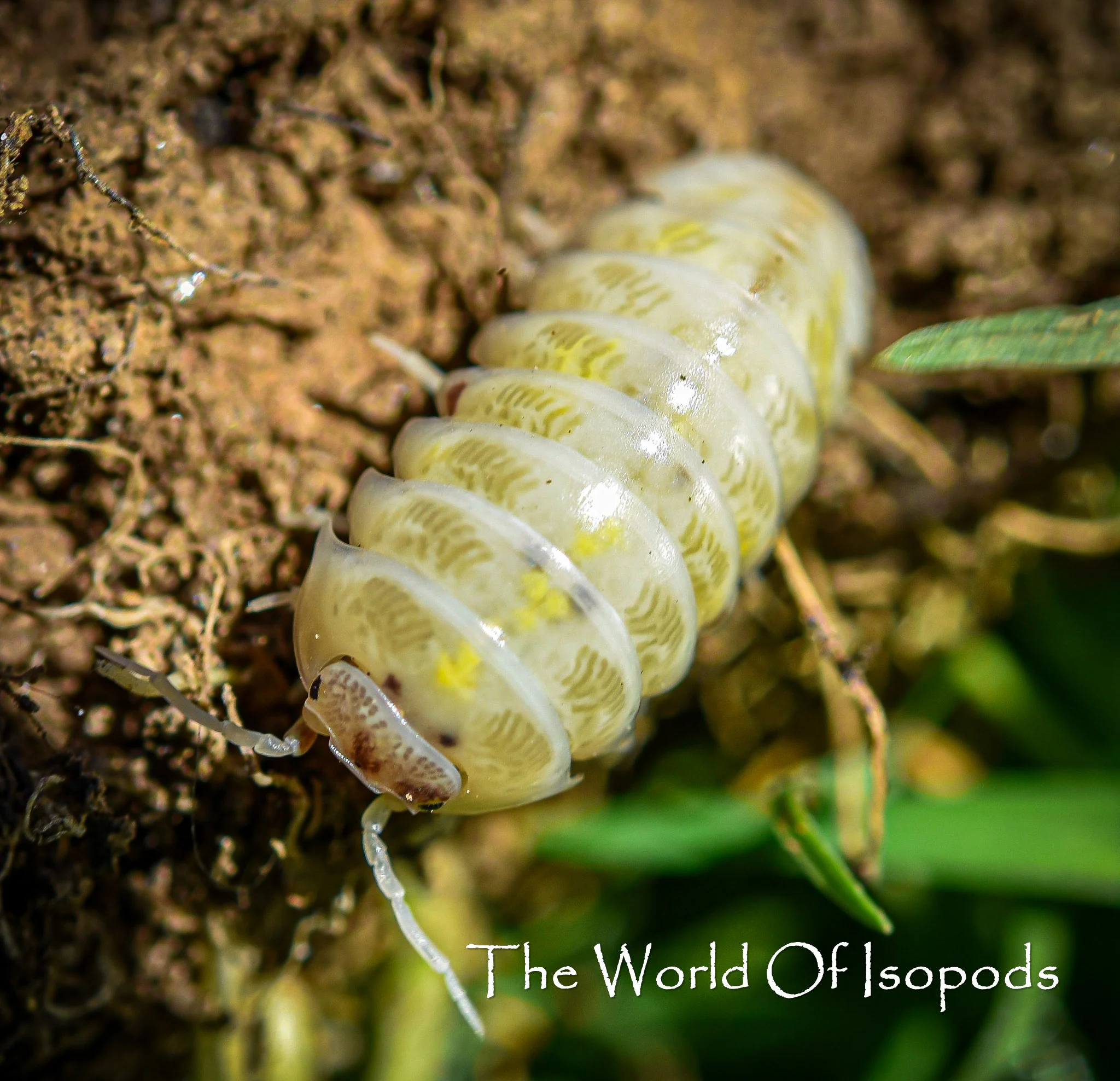
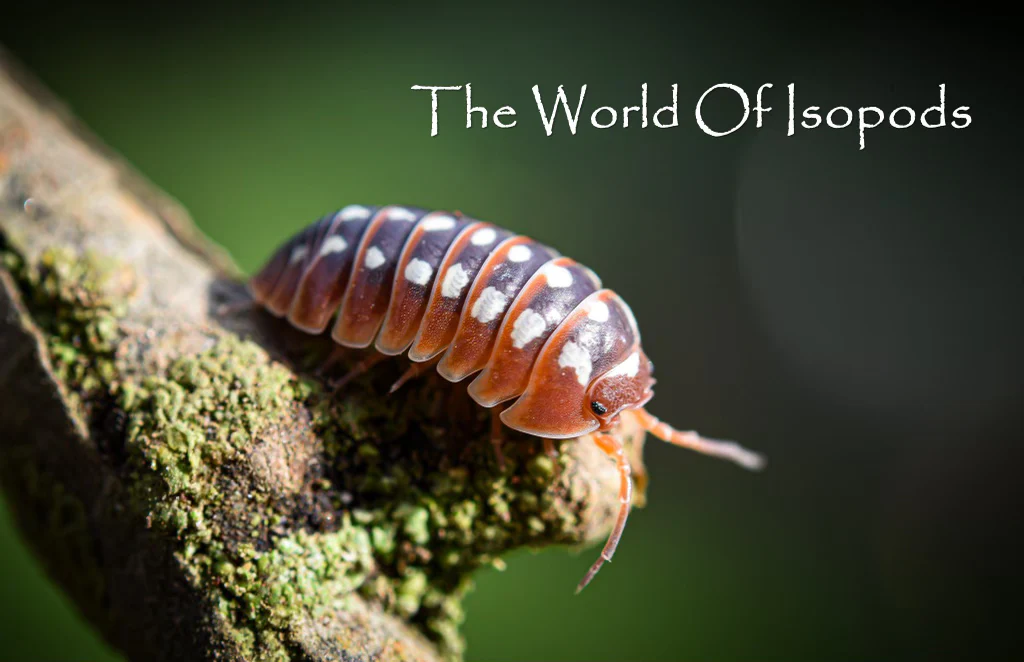
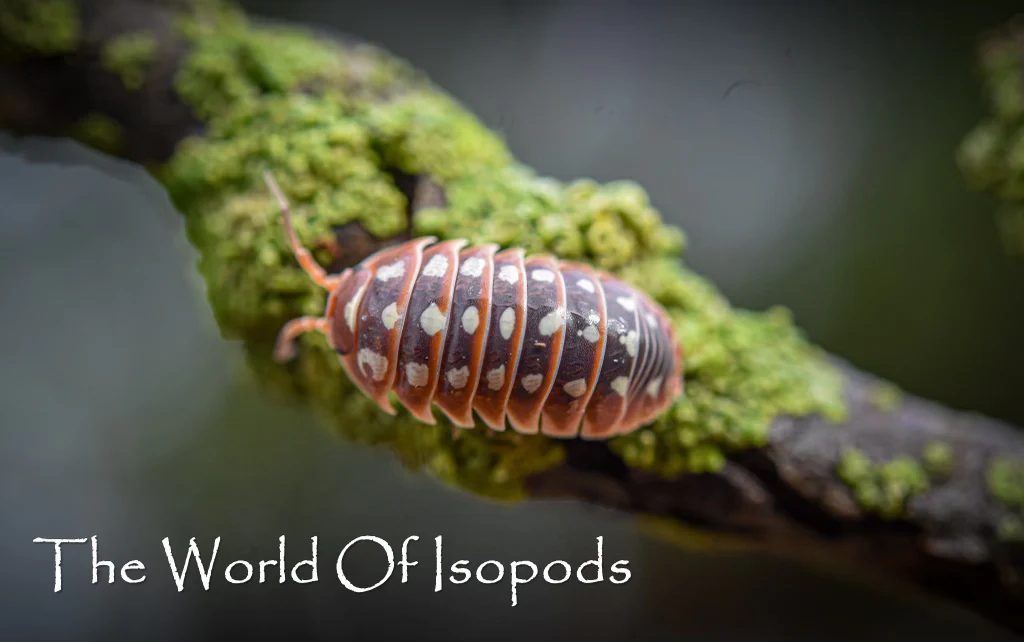
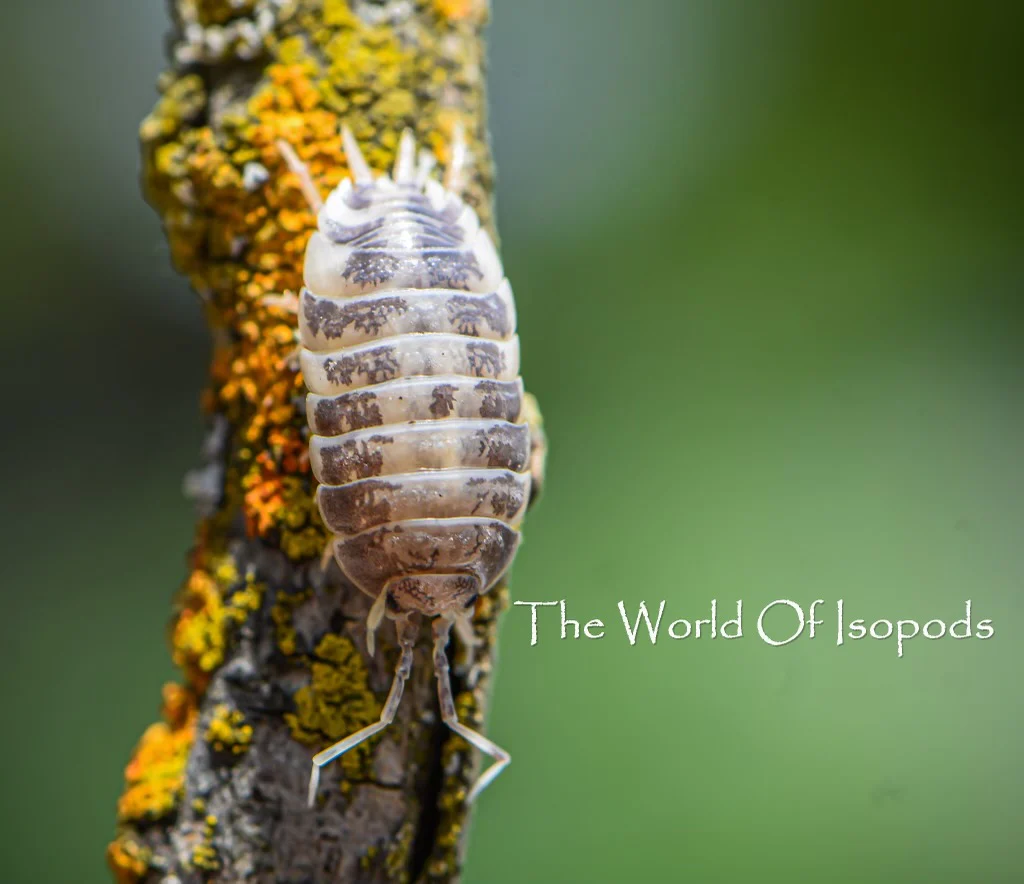
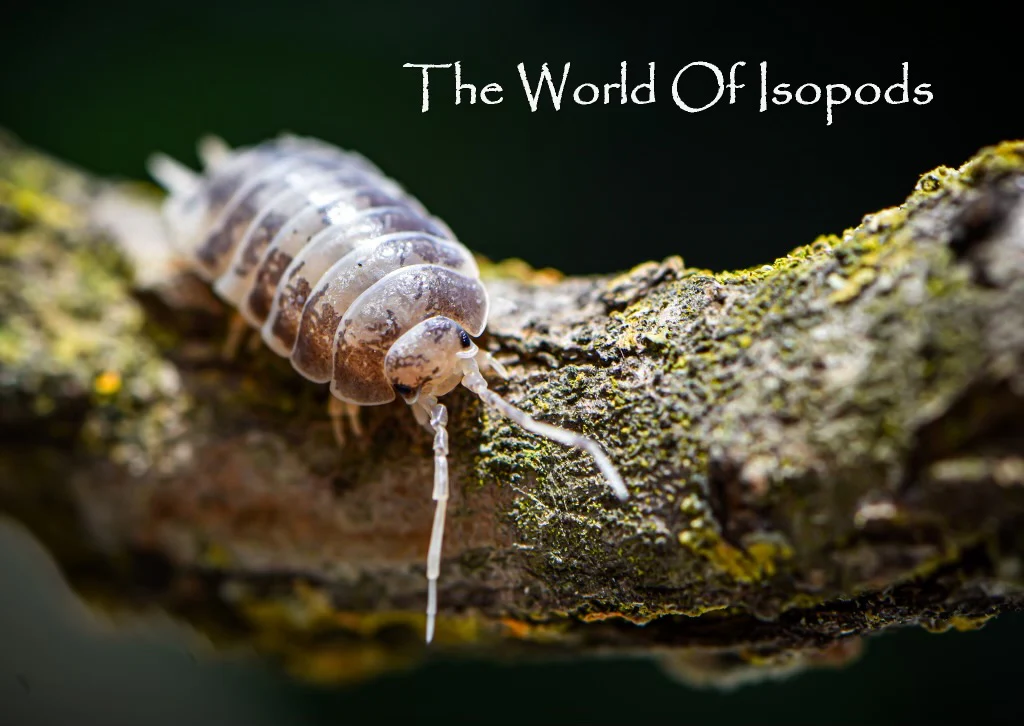
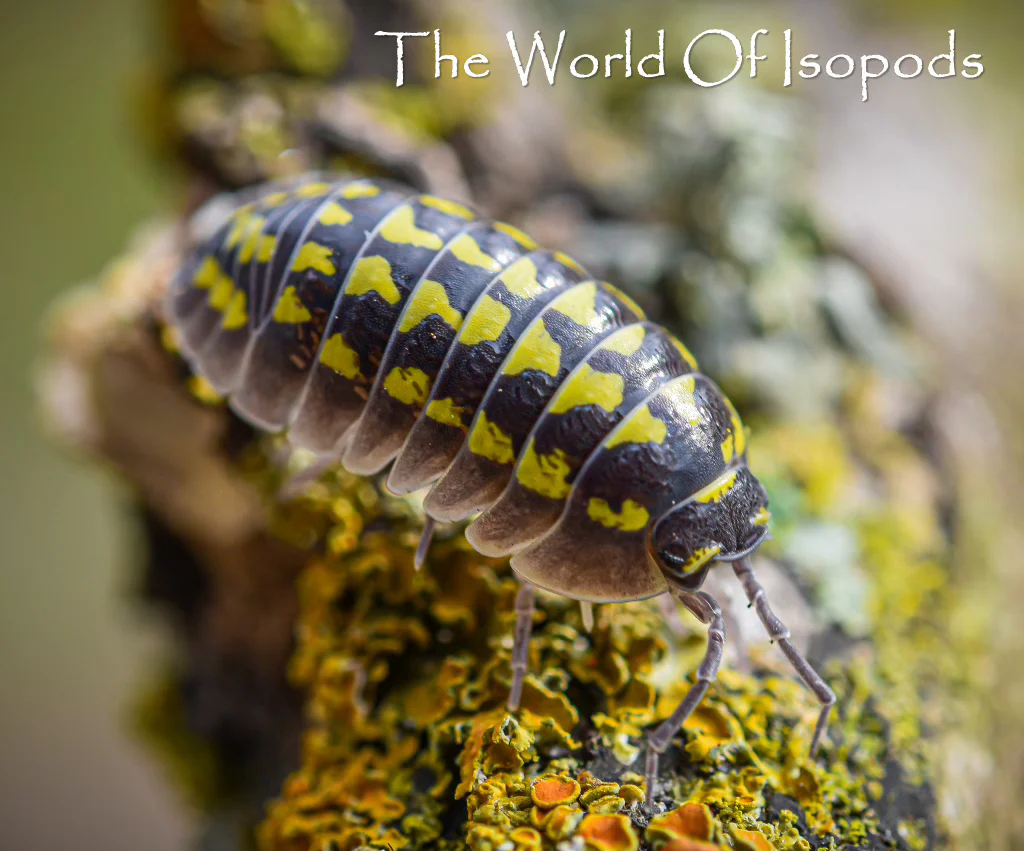
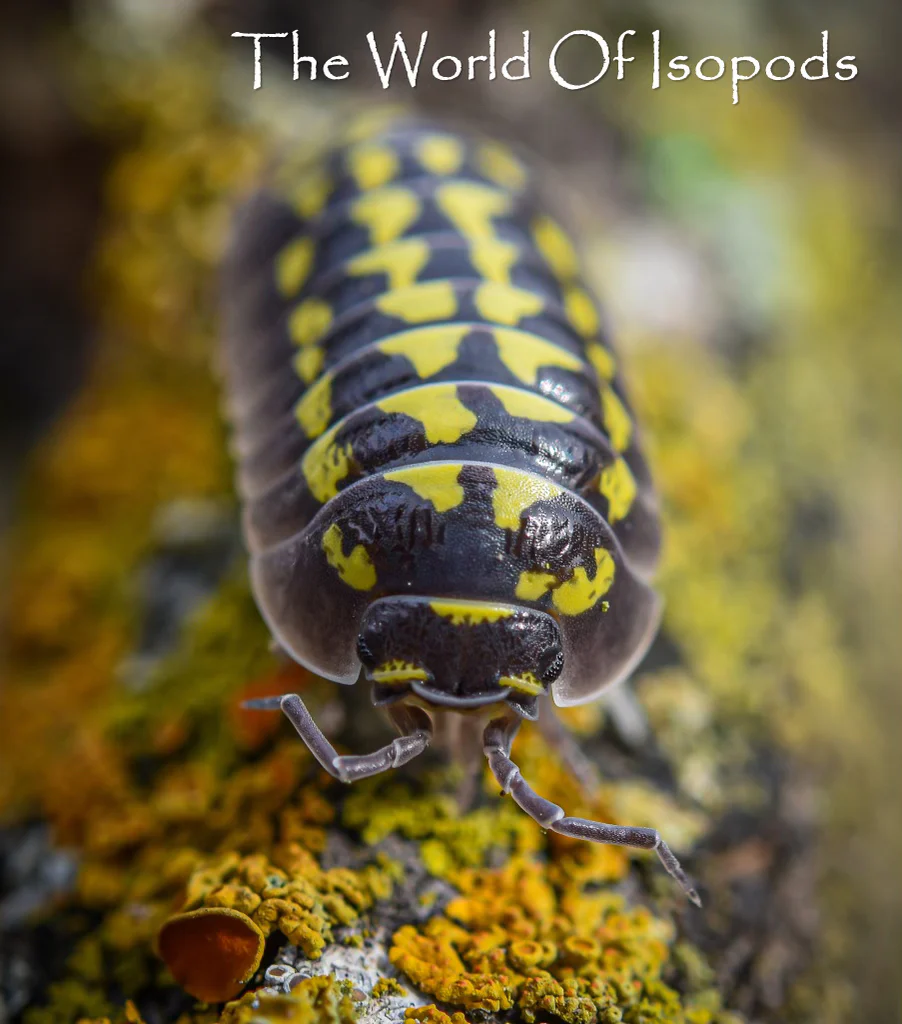
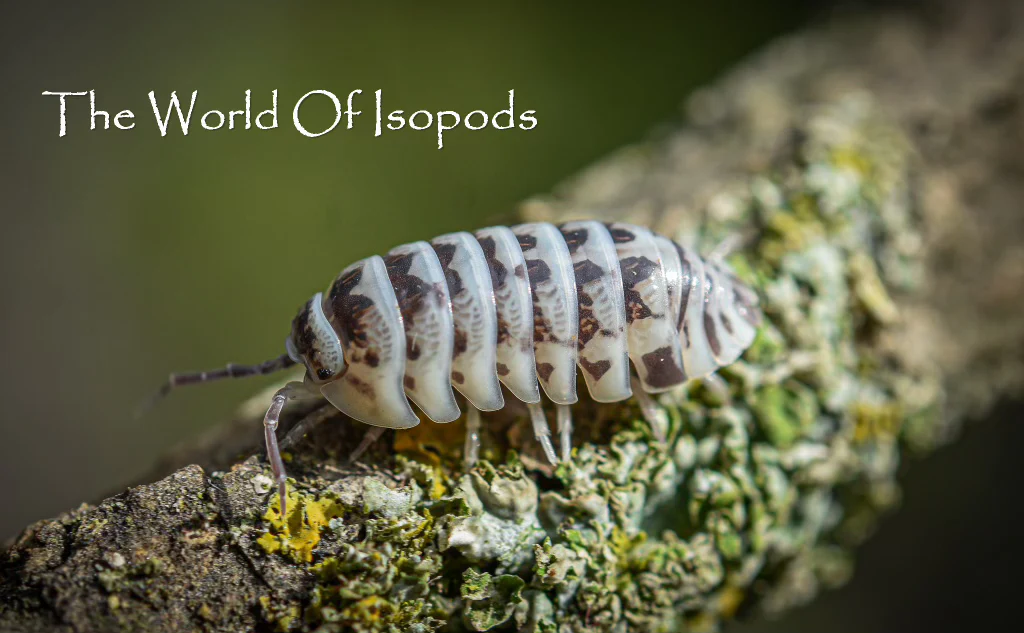
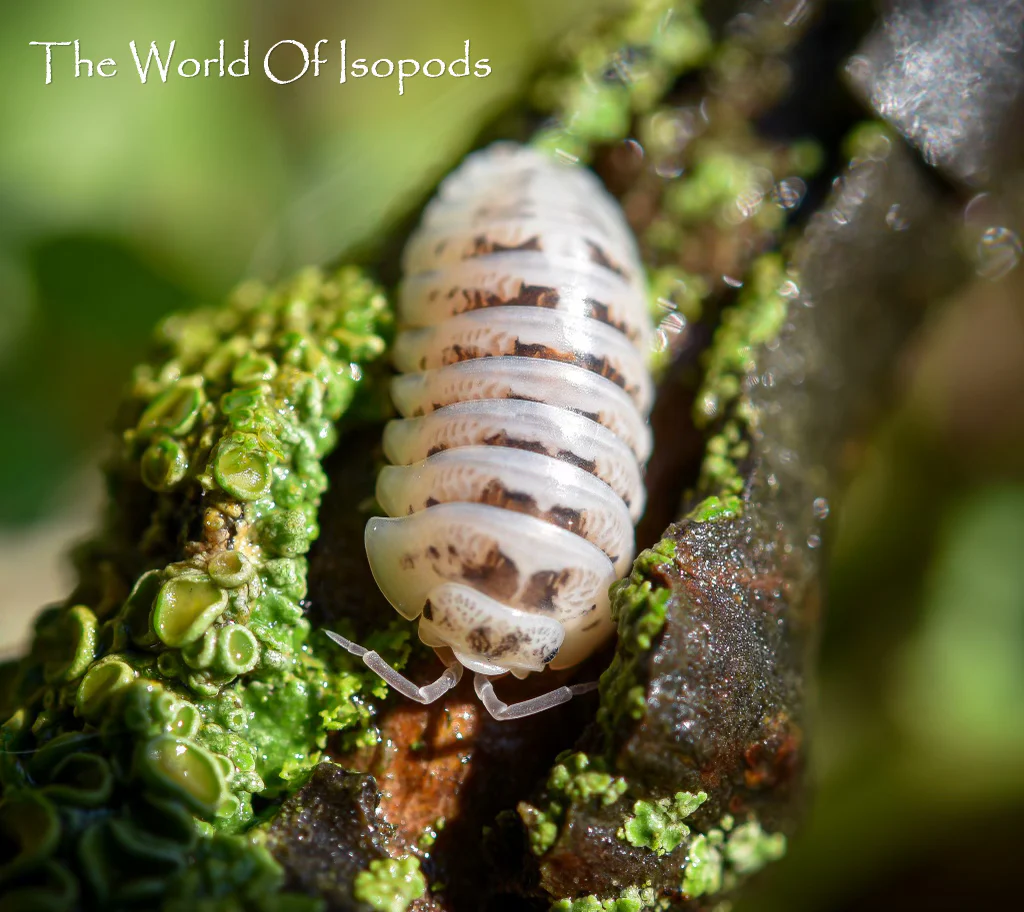
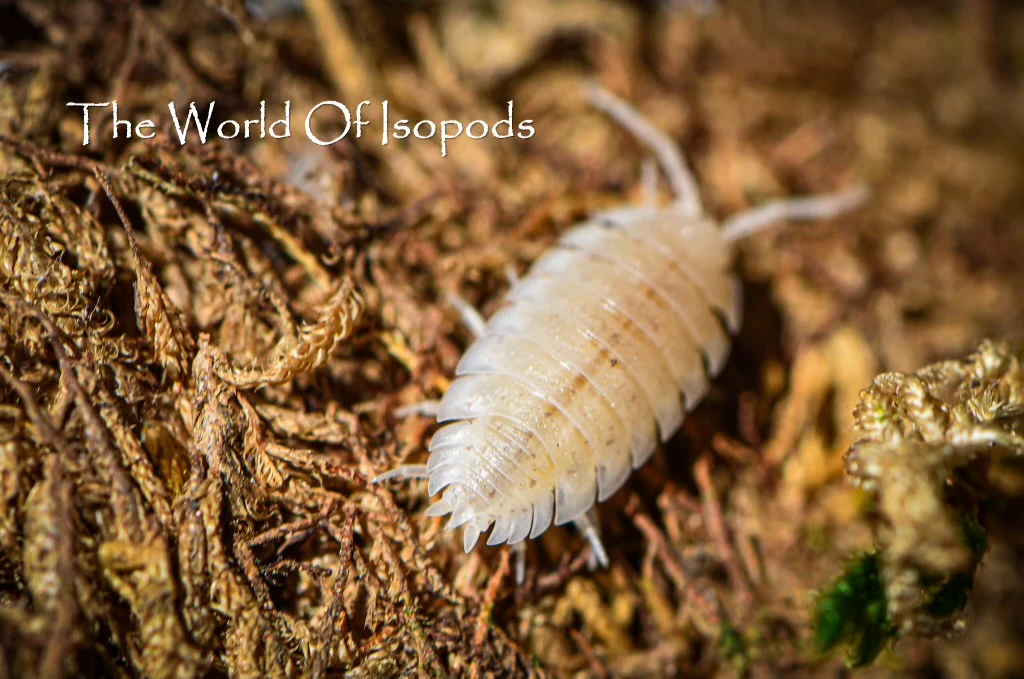
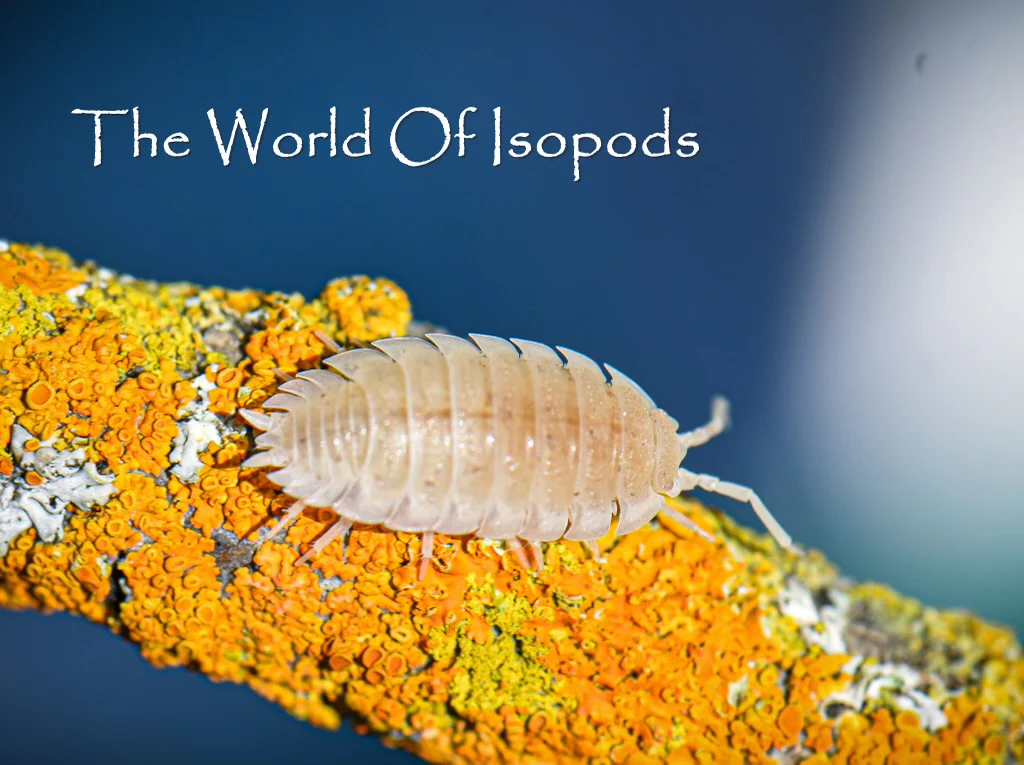
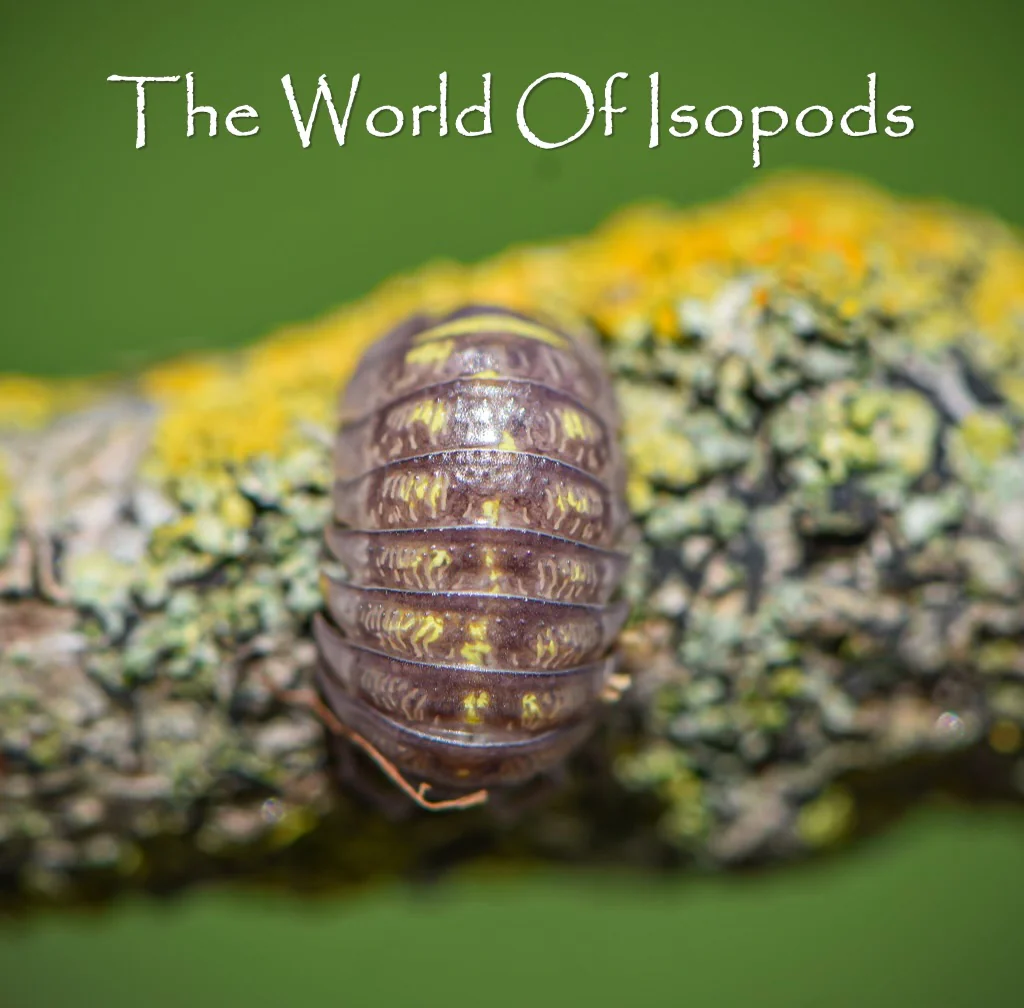
Armadillidium granulatum is a striking isopod species native to the Iberian Peninsula, particularly Spain. Known for its steel-gray body with bright yellow to neon green spots, this species is both hardy and visually appealing. It is a prolific breeder and thrives in well-maintained enclosures, making it a great choice for collectors and bioactive setups.
Care Information
- Requires low to moderate humidity with occasional misting
- Should be watered and fed twice a week
- Diet includes yams, root vegetables, and fish food
- Prefers a well-ventilated enclosure with a substrate mix of coconut fiber, leaf litter, and limestone for calcium supplementation
- Thrives in temperatures between 70-85°F (21-29°C)
- Active and social, often seen burrowing and interacting within their environment
Live Arrival Guaranteed
Note: Proper ventilation and a balanced diet will help maintain a healthy colony. Adding springtails can assist with mold prevention and enclosure cleanliness.
Details & Craftsmanship
Every detail has been carefully considered to bring you the perfect product.
Description
Armadillidium granulatum
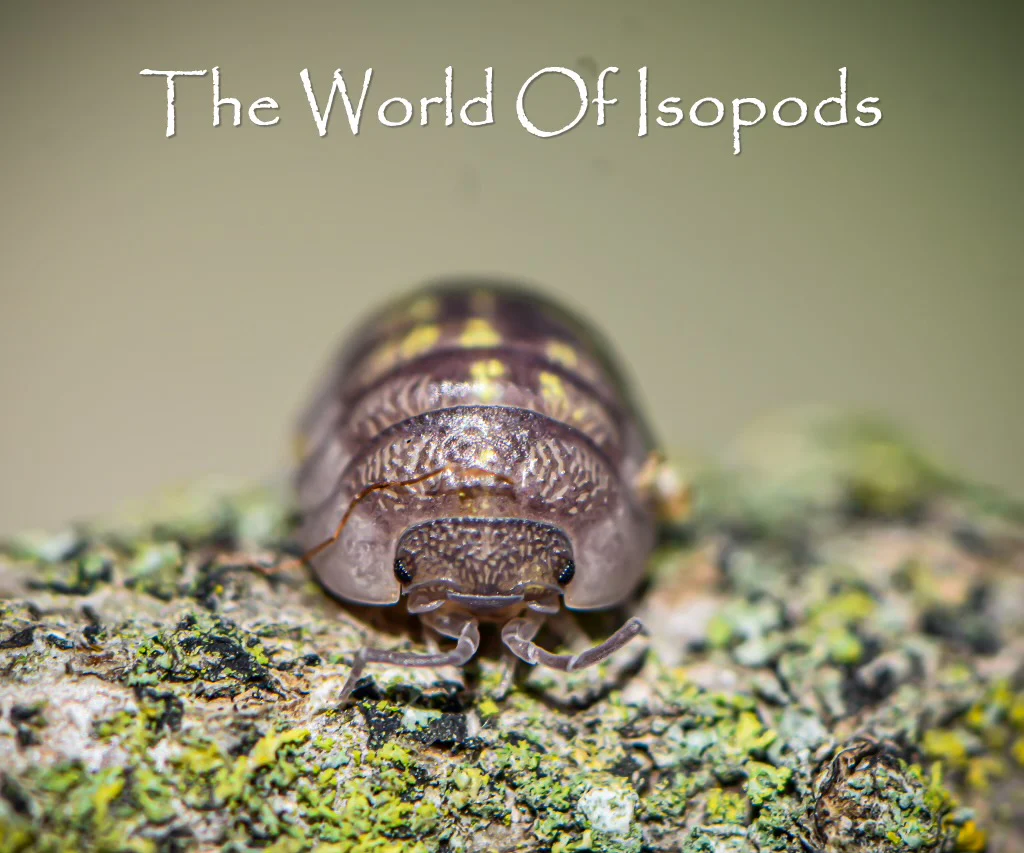
Armadillidium granulatum is a striking isopod species native to the Iberian Peninsula, particularly Spain. Known for its steel-gray body with bright yellow to neon green spots, this species is both hardy and visually appealing. It is a prolific breeder and thrives in well-maintained enclosures, making it a great choice for collectors and bioactive setups.
Care Information
- Requires low to moderate humidity with occasional misting
- Should be watered and fed twice a week
- Diet includes yams, root vegetables, and fish food
- Prefers a well-ventilated enclosure with a substrate mix of coconut fiber, leaf litter, and limestone for calcium supplementation
- Thrives in temperatures between 70-85°F (21-29°C)
- Active and social, often seen burrowing and interacting within their environment
Live Arrival Guaranteed
Note: Proper ventilation and a balanced diet will help maintain a healthy colony. Adding springtails can assist with mold prevention and enclosure cleanliness.